
Cloning - Why and How
Smart Companies Are Cloning
Their CEO and So Should YOU!
(see cloning video at the end)
A few years ago, cloning yourself belonged in a science fiction movie. Today, it is a line item in a marketing budget. It is not as creepy as it sounds. AI generated videos and voice clones have quietly become one of the most practical tools in a marketer’s tool kit. Who should use it and why?
Executives.................for leadership updates such as quarterly messaging
Instructors.......................for online course updates
Spokespeople................to appear multi-lingual and on location worldwide
Cloning solves a problem every growing company eventually runs into: there is only one of you, and your business needs you to be in a hundred places at once. This post looks at what “cloning yourself” actually means in a business context, why it is spreading fastest through marketing and communication teams, its real use cases and its limits. We will also give you a short overview of the how-to.
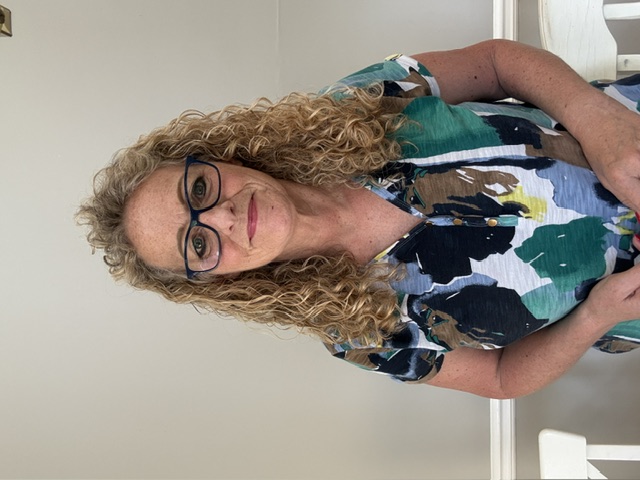
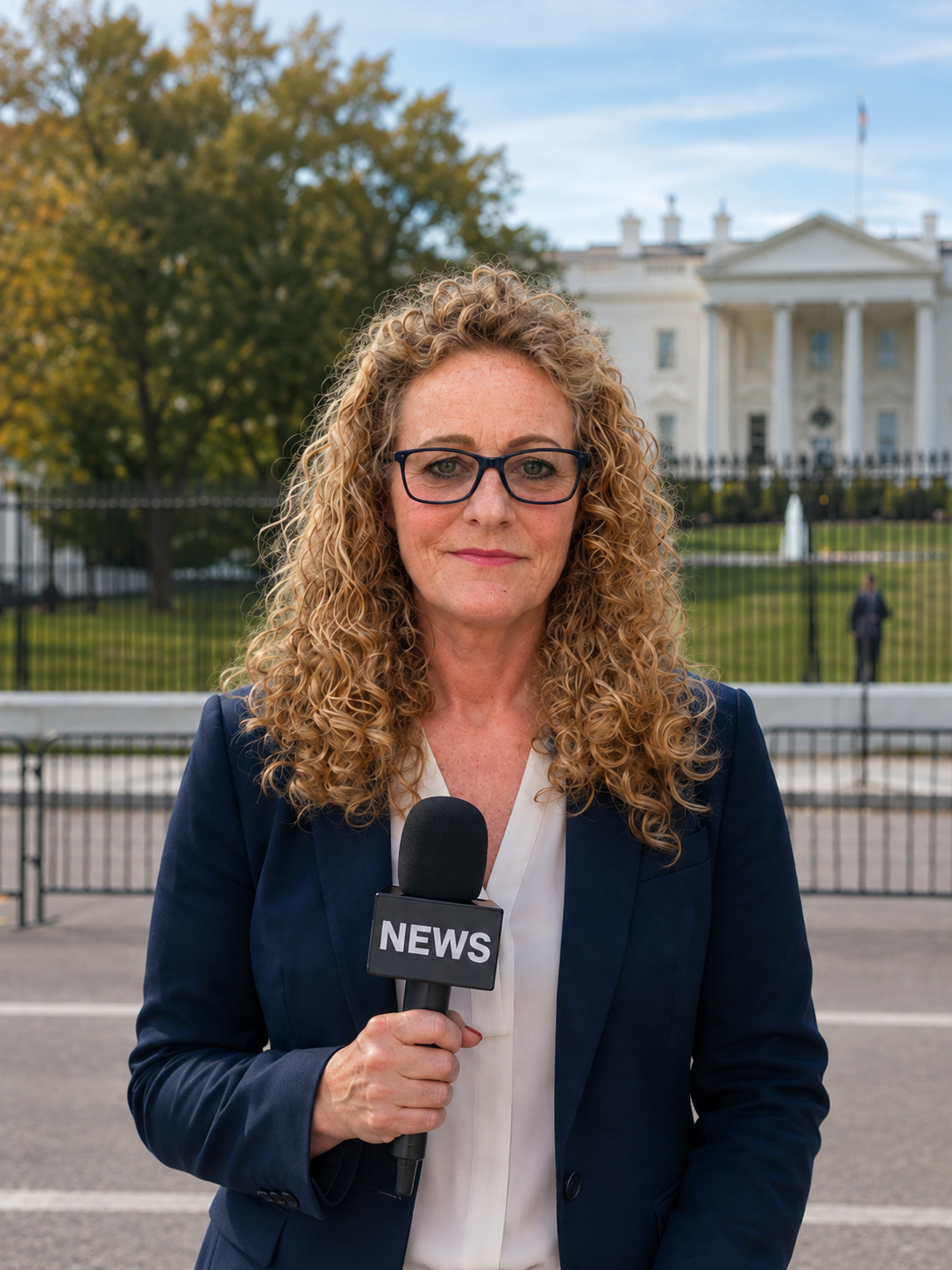
Below is Cokkie Eaker, Muraico’s Founder, with the first phase of cloning herself. She took a picture of herself in the breakroom, then asked ChatGPT to change her into a news reporter in front of the White House in Washington, DC. Voila, that was easy!
Original picture | Imagine yourself... cloned! |
|---|---|
 |  |
Why Marketing Teams Reach for This First
Simply put: it pays off. Marketing and internal communication departments are early adopters for a simple reason. These teams produce a high volume of repetitive, time-sensitive video and audio content that features the same handful of people over and over. It all comes down to three things: Speed, Cost and Consistency. That’s exactly the workload where AI cloning pays off. Let’s take a look:
1. CEO and Leadership Updates
Content is more important than video quality in the case of all-hands videos, investor updates or a “message from the CEO”. This is where a cloned avatar comes in handy and is very budget friendly. Recording a five minute monthly update the traditional way means scheduling the executive’s calendar, booking a studio or setting up lighting, doing multiple takes and waiting on editing. With a cloned avatar, you only need a script, the executive approves it and the video is generated in the executive’s likeness and voice without touching a camera every time. This is particularly handy for companies with distributed teams across time zones, where a consistent, personal feeling update beats a text-only memo but a full production shoot isn’t realistic every month.
2. Course and Training Content Updates
Online courses and internal training modules go stale. New information, price changes and compliance rules changes need to be updated for the course to stay relevant. The instructor who recorded the original course two years ago might not be available or may not want to re-record the entire course for a five-minute policy update. This is especially true for Human Resources Onboarding or company training videos. A cloned voice or avatar would be a great alternative, and, instead of the content maintenance becoming a costly re-shoot project, it turns into a simple editing session.
3. Product Announcements and Release Notes
Product teams update constantly, but not every release deserves a full marketing video production. A clone lets a product marketer generate a short, personable “here is what’s new this release” video, featuring the actual product or the face of the producer on a regular basis without pulling that person away from their actual job every time.
4. Localization and Global Reach
This is one of the most overlooked use cases. A voice clone combined with translation tools allows a spokesperson to “speak” fluently in several languages, with the same voice and tone. For companies expanding internationally, or even when several languages are spoken within the company or customer base, a clone replaces the old choice between subtitles and hiring a local voice talent for every market. You can see where the cost savings of using a clone and not having to deal with local time zones is very appealing.
5. Personalized Outreach at Scale
Sales teams and customer success departments are starting to use short, personalized video clones customized to the prospect’s name and situation. The scalability and sheer volume of this type of outreach is virtually impossible to record individually. It is the same logic as mail-merge, applied to video.
6. Always-on Support and FAQ Content
Companies with a well-known spokesperson or instructor can build a library of clone-generated answers to common questions, keeping a face consistently attached to support and onboarding content without that person recording each answer individually.
Types of Clones or Avatars:
You may think of scary clones that you see in sci-fi movies, however there are basically three different types that are and, we think will be more and more, used in businesses today:
A Video Avatar, which is a digital likeliness of a real person, built from footage and voice samples, that can be animated to say new scripted lines without a camera crew or a re-shoot.
A Voice Clone, which is a synthetic version of someone’s voice, used to generate narration, audio updates or dubbed content in other languages.
A Written “voice” Model, becoming very popular as we are writing this post. This model is an AI system trained on someone’s past writing (like emails, blog posts and scripts) to draft content in their tone and style, which they then edit and approve.
None of these are autonomous decision makers. Think of them as production tools. Someone still writes and ultimately approves the message, the clone just handles the performance of delivering it, at a fraction of the cost compared to the traditional process.
The Business Case, in Plain Terms:
The appeal comes down to three things. Actually, four, if you count your own willingness to stay current and accept the changes from “the way things were”:
Speed: A script can go from written to delivered in a fraction of the time it usually took just to schedule a shoot.
Cost: No matter where you are, there is no studio time, no crew, no travel, no reshoots for a single mispronounced word. Only a one time cost to set it up and the rest is a no-brainer.
Consistency: The same look, voice, and energy across every piece of content, even when the message needs updating every week. A clone does not get sick.
For a company producing dozens of similar videos a month, think course updates, product announcements, investor or internal communications, these savings compound quickly.
The Real Risks, and How Serious Companies Handle Them
Artificial Intelligence and cloning is a technology that carries real reputational and trust risks in the same realm as cyber security. Companies need to safeguard themselves. Consider the following:
Disclosure Matters
Many companies now add a simple on-screen or verbal note “This video was generated using AI likeness of…. and approved by…” as audiences are increasingly wary about synthetic media. This isn’t just an ethical afterthought, disclosure requirements are already in place when you are calling a customer service department and you hear the all too familiar “this call is being recorded” message. Using Artificial Intelligence for commercial use is prompting jurisdictions to move towards disclosure requirements.
Consent and control
The person being cloned should have ongoing approval rights over what their clone says, not a one-time sign-off. Contracts with employees or contractors whose likeness is used this way should spell out usage limits, and companies should have a clear process for updating or retiring a clone if that person leaves or their contract expires.
Security
Security is a genuine concern. A voice or video clone of your CEO is also, in the wrong hands, a tool for fraud. Consider the possibilities. Companies using this technology need internal verification processes such as code words or the all too familiar two factor authentication.
What’s Next?
The trend towards cloning is definitely on the rise. It is becoming a standard production tool for anyone who is regularly on camera for a company, not to replace that person but a way to extend their reach beyond a single human’s calendar. The companies getting the most value out of it will be the ones who are using it to keep authentic voices present in more places, more often, and without burnout.
The practical starting point is to try it out in one area, one low risk piece of content. Pilot a clone there first with clear disclosure, and an approval process. Use it for a few monthly updates, a course refresh or a routine product infomercial. If it holds up over a few cycles, expanding it into other repetitive content becomes a much easier call to make.
The Cloning Process
Try it for yourself, it is not that hard and it’s just plain fun to do. This was my process:
- Take a picture of yourself, then change your outfit and/or background in ChatGPT
- Use ElevenLabs to record your voice. Don’t be too picky, just do it.
- Use Heygen to pull it all together.
Tools:
Camera, such as your own cellphone
ChatGPT or other LLM
ElevenLabs, https://elevenlabs.io/
Heygen, https://www.heygen.com/
Here is my clone on my first try! Imagine what YOU could do?! |
|---|
Imagine the possibilities!
The future of work isn't humans versus machines. It's humans who use the machines well versus humans who don't. Pick a side. Muraico can help you use AI to your advantage and leverage time versus cost.
Click here and send Muraico a message today!